
Still Working Without a Paycheck, Again
How Federal Workers at Homeland Security Are Bearing the Financial Fallout of a Shutdown That Never Truly Ended

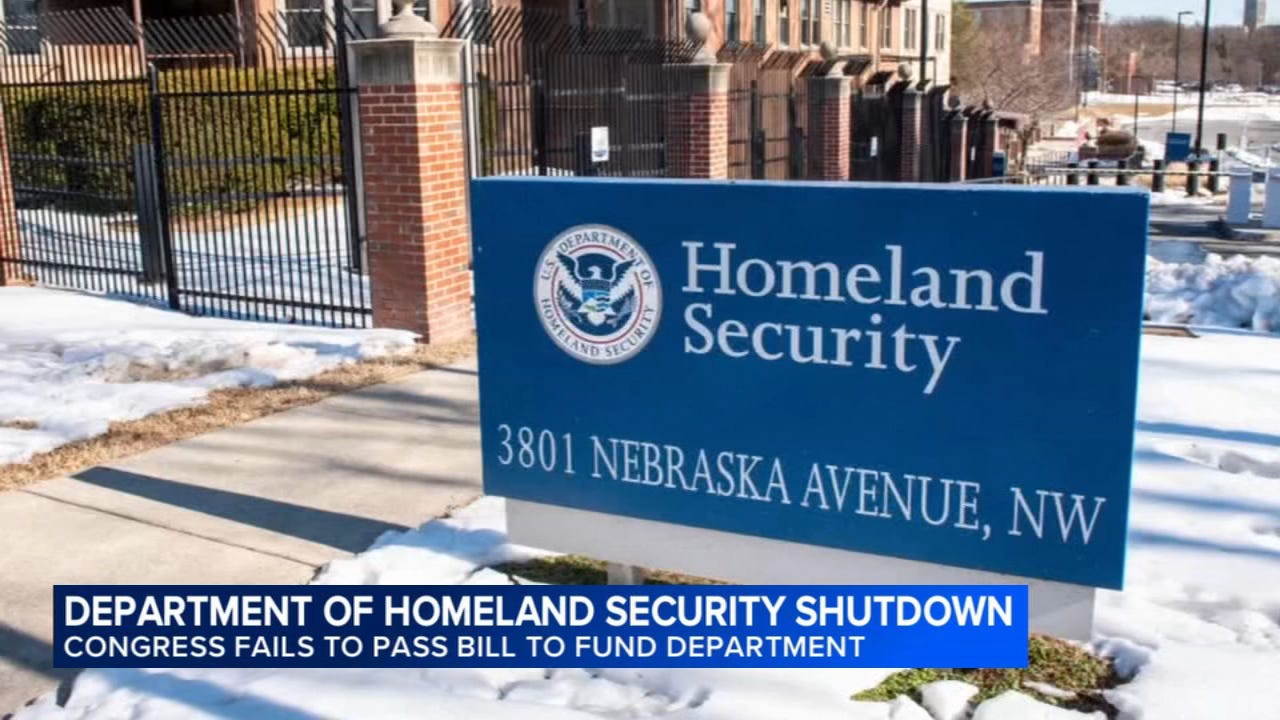
For civilian employees of the Department of Homeland Security, the lingering effects of last year’s long government shutdown have not faded. In many ways, they’ve become part of everyday life.
Nearly every day since Feb. 14, when funding for DHS lapsed after lawmakers and the White House failed to reach an agreement, tens of thousands of career public servants have reported to their posts without pay, just as they did during the protracted 43-day shutdown last year. And if the partial shutdown stretches into March, as many analysts now expect, most won’t see a full paycheck until then.
For a workforce already stretched thin by economic pressures, mortgage deadlines and child care costs, the repetition of this ordeal has exacted a real human toll.
“I’m still digging out from the last shutdown,” one civilian U.S. Coast Guard employee told Government Executive. “I’m not going to paint a picture that I’m OK financially.”
The image of federal service as stable work, often cited by lawmakers and pundits alike, has been eroded by reality. Here, in the winter of 2026, employees are conserving fuel by rotating voluntary furloughs; others are skipping commutes altogether because telework is only permitted under narrow “emergency” exceptions.
This is not a workforce quietly absorbing inconvenience. It is a workforce balancing alarmingly thin margins.
Policy Standoff, Personal Consequences
The shutdown traces to a political impasse over immigration enforcement reforms. After funding talks collapsed, members of Congress left town for a recess, leaving DHS unfunded even as other agencies received full-year appropriations.
In theory, federal law mandates back pay for affected employees once the government reopens. The Government Employee Fair Treatment Act of 2019 requires both furloughed and “excepted” workers, those ordered to work without pay, to receive retroactive compensation when appropriations are restored.
In practice, however, that statutory guarantee offers cold comfort to families navigating the here and now.
The Coast Guard civilian interviewed by Government Executive said creditors were already showing little flexibility on payments, and that before- and after-school care providers — once willing to waive fees during the last shutdown, would now only offer staggered payment plans.
The Unseen Strain on Essential Work
There is no question younger feds and seasoned veterans alike are doing the work they signed up for. According to reporting, roughly 92 percent of DHS employees continue reporting to duty, doing jobs that range from border security and disaster response to cybersecurity and aviation safety.
Yet even as they work, morale is fraying.
“We’re still working as if we’re not shut down,” one employee said. “It’s very weird.”
Operational units are rearranging schedules, agency leaders warn of cuts to training and projects, and even crucial functions like contract disbursement under the One Big Beautiful Bill Act are becoming harder to execute.
A Department Adrift
In hearings with Congress, DHS officials warned that repeated shutdowns damage recruiting, hinder planning and undermine morale, an understatement in an era of heightened demand for homeland security functions.
Meanwhile political leaders trade blame. The White House has publicly excoriated congressional Democrats for blocking funding, framing the standoff as a political disagreement over enforcement priorities.
What is missing in the rhetoric, however, are the families who now must juggle grocery runs with loan repayments, and the parents scrubbing budgets before they scrub in for another unpaid shift.
A Broader Strain on the Federal Workforce
What is happening at DHS may be a case study in how shutdown politics ripple through a workforce that is bound by duty but not insulated from economic stress.
Contractors face delayed reimbursements and potentially broken contracts. Neighborhoods near military bases and air traffic facilities fear delays. And the very notion of federal employment as a stabilizing career is being tested in real time.
For over 20 years, we have watched federal employees rise every morning to do work that keeps this country functioning. They deserve to be paid on time, and they deserve political leadership capable of funding the government without forcing those paychecks to hang in the balance.
Tonight, as another DHS worker logs on for yet another shift without a paycheck, ask yourself this:
Is this really how we want public service to function?