
Day 76. It's Over. Mostly.
How the longest agency shutdown in American history ended — and who is still waiting.

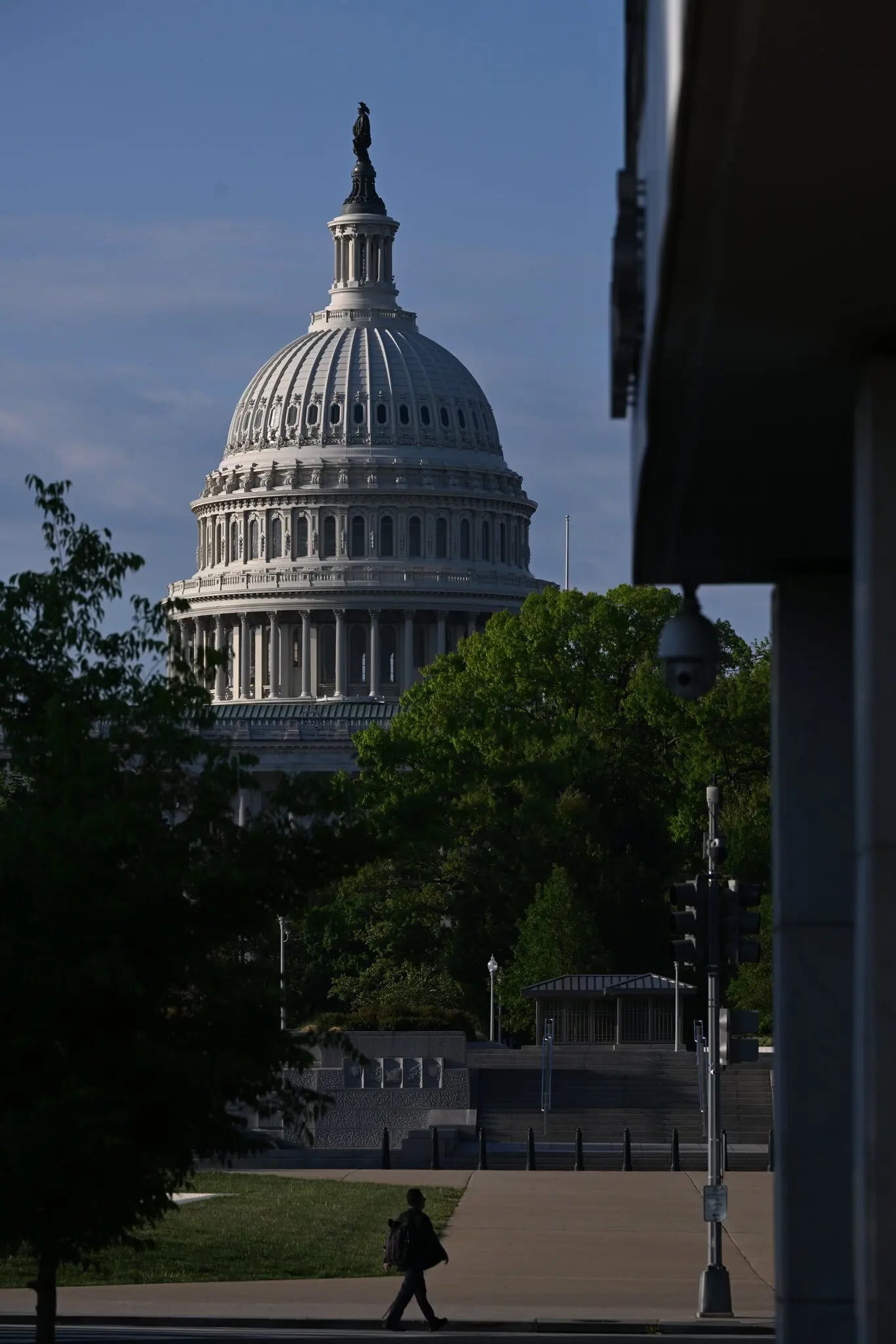
On February 14, 2026, the Department of Homeland Security ran out of money. What followed was 76 days that tested the limits of what a federal workforce could absorb. Missed paychecks. Depleted savings. Toner cartridges bartered in hallways. Utility bills 60 days past due. A department stretched, in the words of its own spokesperson, to a breaking point.
Today, for most of DHS, it ended.
For the men and women of ICE and Customs and Border Protection, it has not.
How It Started
The shutdown began when a continuing resolution funding DHS expired on February 14 and Congress failed to pass a replacement. The sticking point was ICE and Customs and Border Protection. Democrats, following the fatal shooting of two American citizens in Minneapolis by federal immigration agents in January, demanded reforms before they would vote to fund those agencies. Body cameras. Restrictions on raids at schools and hospitals. Limits on the use of force. Republicans refused.
The result was a partial shutdown that hit the entire department, not just immigration enforcement. TSA officers showed up to work without paychecks. Coast Guard members completed missions in Bahrain without full resources. Secret Service agents paid out of pocket for protective travel. FEMA grants sat frozen. CISA, the agency responsible for protecting the country’s critical infrastructure from cyberattacks, operated at reduced capacity while adversaries watched.
More than 1,000 TSA officers quit during the shutdown. Training for first responders was canceled. World Cup security planning fell behind. The department that is supposed to keep America safe was, day by day, becoming less capable of doing it.
How It Ended
The path to resolution was neither clean nor fast.
In late March, the Senate unanimously passed a bill to fund most of DHS, everything except ICE and Border Patrol. Speaker Johnson called it “a joke” and refused to bring it to the House floor. His position: he would not fund the rest of DHS until ICE and CBP were taken care of.
For weeks, that standoff held. The Senate bill sat. The shutdown continued. Emergency funds that had been redirected to keep paychecks flowing began running out. Secretary Mullin was blunt in his final warning: “I am completely out of the slush fund. I have no place to move at the end of the month.”
The break came in two steps, both this week.
On Wednesday night, the House passed a budget resolution 215-211, the procedural framework that allows Republicans to fund ICE and CBP through reconciliation without Democratic votes. That gave Johnson the political cover he needed. He could tell his hardline members that ICE and CBP funding was on its way through a separate track, and then bring the broader DHS bill to the floor.
On Thursday afternoon, the House passed H.R. 7744 by voice vote. No roll call. No individual members on record. After 76 days, leadership did not want names attached to ending it.
What Is In the Bill
H.R. 7744 funds the Department of Homeland Security through September 30, 2026, the end of the current fiscal year. TSA, FEMA, the Coast Guard, the Secret Service, CISA, the Federal Protective Service, and DHS headquarters and management operations are all funded.
The bill includes $20 million specifically for body-worn cameras, one of the central Democratic demands throughout the entire shutdown. The Inspector General receives $257 million, including $20 million for enhanced oversight of detention facilities. Monthly budget and staffing reports to Congress are required going forward. Back pay for employees affected by the shutdown is authorized, with individual agencies expected to issue guidance on timelines in the coming days.
Who Is Still Waiting
Here is what the celebration cannot erase: ICE and Customs and Border Protection receive no funding in H.R. 7744. None.
That means Border Patrol agents still working the line. ICE officers still reporting for duty. CBP officers still processing travelers at ports of entry every single day. And the thousands of operational and support staff behind them, the analysts, the logistics coordinators, the administrative professionals, the HR staff, the IT workers, who have kept those agencies functioning through 76 days of a shutdown with no guarantee of when their next paycheck is coming.
These are not abstract numbers. These are people who never stopped showing up. They enforced the border. They processed cargo. They tracked threats. They did the work the administration has held up as the most essential function of the entire federal government, and they did it without being paid, while their agency became the political football that prolonged the shutdown for every other DHS employee.
The reconciliation process that is supposed to fund them is now underway. Senate committees have until May 15 to draft legislation providing up to $70 billion for ICE and CBP. That bill then has to pass both chambers and be signed by the president. Weeks of process remain.
FedFam will not consider this shutdown fully over until every DHS employee, including every ICE officer, every Border Patrol agent, and every support staff member who kept those agencies running, has a funded paycheck and a funded agency.
Today was a major step. It was not the finish line.
What This Community Did
FedFam has been here every day of this shutdown. Seventy-six morning posts. Evening updates. Breaking news. Direct cash relief. Six years of building a community that shows up for federal employees and their families, and this shutdown tested that community in ways nothing has before.
You called your members of Congress. You shared your stories. You told the country what it actually looks like when the people who protect it are not paid. You held each other up when savings ran out and the bills didn’t stop.
The history books will record this as the longest agency shutdown in American history. This community will know it as 76 days that proved exactly what federal employees are made of.
What Comes Next
The reconciliation bill for ICE and CBP is the next fight. The 2027 pay freeze is still moving through Congress. The OPM medical data privacy fight is not resolved. Federal unions are fighting for their survival in court. The Merit Systems Protection Board is before the Supreme Court.
The shutdown is over for most of DHS. The work is not done.
We will be here until every single one of you is taken care of.
We are not through everything yet. But we got through this one.
Together. 💙